A Safer Place to Be
Building More Than Shelter: A Community-Driven Solution for Transgender Adults
When the Commissioner of Human Services contracted with Propel Nonprofits in 2024, the mission was clear: transgender adults experiencing homelessness deserve safe, affirming emergency shelter. But we all knew this journey required more than just opening doors—it demanded deep listening, strategic planning, and the right people at the table.
Assembling the Dream Team
We brought together passionate experts who live and breathe this work:
Wilder Research rolled up their sleeves to uncover what the data really tells us, conducting both a thorough literature review and a community-focused needs assessment
Rox Anderson from Our Space and Ryan Berg, Program Manager at Avenues for Homeless Youth, shared the kind of wisdom you only get from being in the trenches—providing technical expertise grounded in real experience
Platform CRE turned vision into reality, analyzing potential sites and crunching the numbers to make sure this project is financially solid
The Bigger Picture: Where Health Really Begins
Here's what we know: health doesn't start in a doctor's office. It starts with a safe place to sleep. A steady income. A supportive community. Access to affirming care. These are the social determinants of health (SDOH)—the everyday conditions that shape whether people thrive or simply survive.
For transgender individuals, these fundamentals are too often out of reach. Discrimination slams doors. Gender-affirming healthcare remains elusive. Economic and housing stability feels like a distant dream. But when we address these barriers head-on, we don't just help people get by—we help them flourish.
This project is about changing that narrative, one shelter at a time.
Wilder research helped us assess shelter needs for the transgender population experiencing homelessness in 2024. Here are a few key findings from the research including:
● While the transgender homeless population in the Twin Cities remains small, the population faces disproportionate impacts such as violence and exploitation, discrimination, mental health concerns, and substance use, which demonstrates the need for a shelter specific to their population needs
● Services that address violence, mental health, and substance use must be tailored to meet the needs of the transgender population, including hiring staff that understand and reflect this population needs.
● The current shelter funding and policy environment is complex and given ongoing financial support for operations (programming) of the transgender shelter is necessary for long term care of the transgender population.
In the focus groups, stakeholders referred to trauma informed design as a key tenant to inform the programming and space of the shelter. A trauma informed design assessment of a shelter in Madison, WI led by ShopWorks Architecture identified three key pillars-connection, comfort, and choice-, that revolved around safety. Key elements that emerged from TID, that were also reiterated the stakeholder focus groups included:
● Providing a facility that is open 24/7 ● Making the place feel “homey” ● Providing a place for pets ● Ensuring the facility is secured
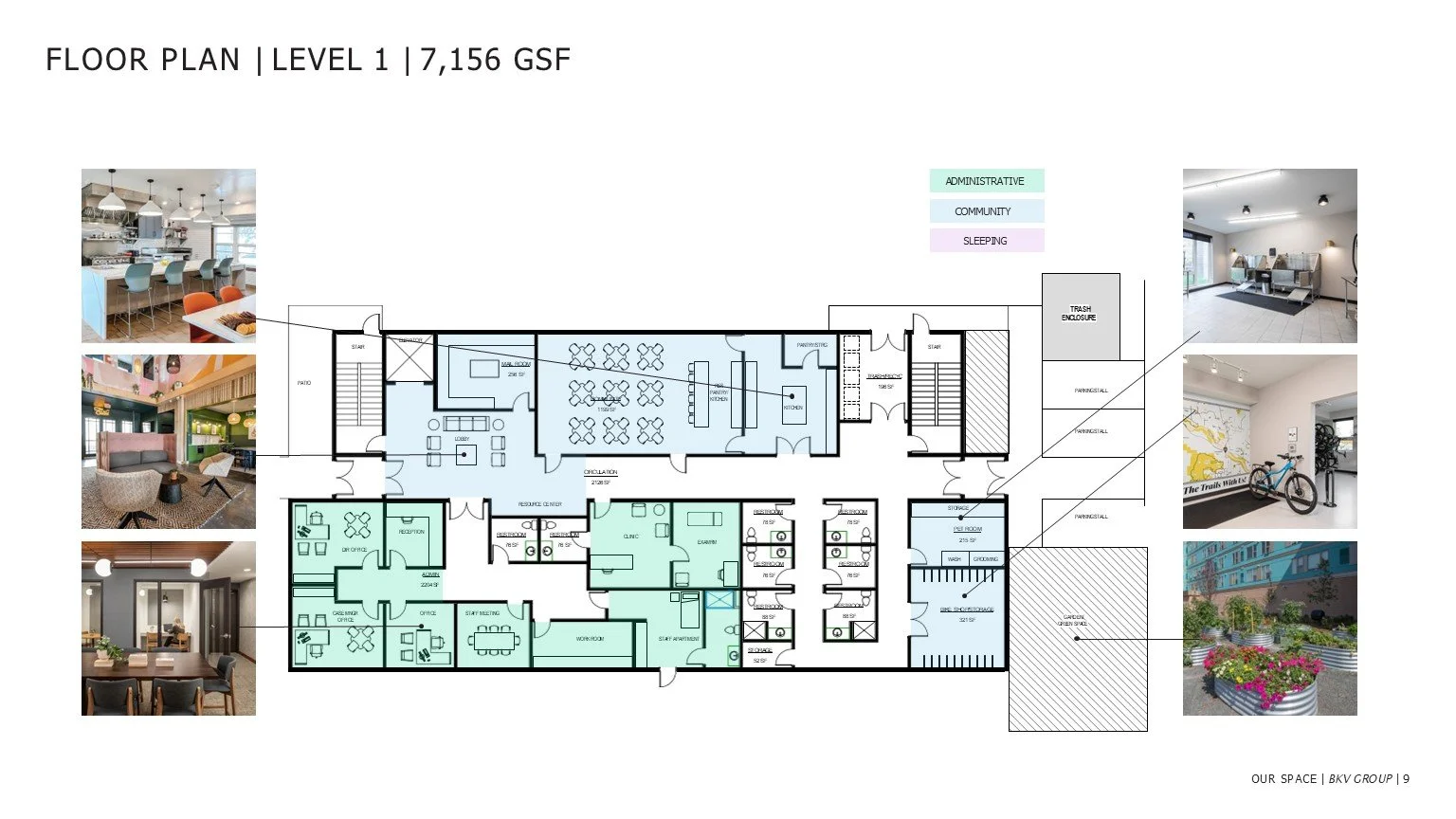
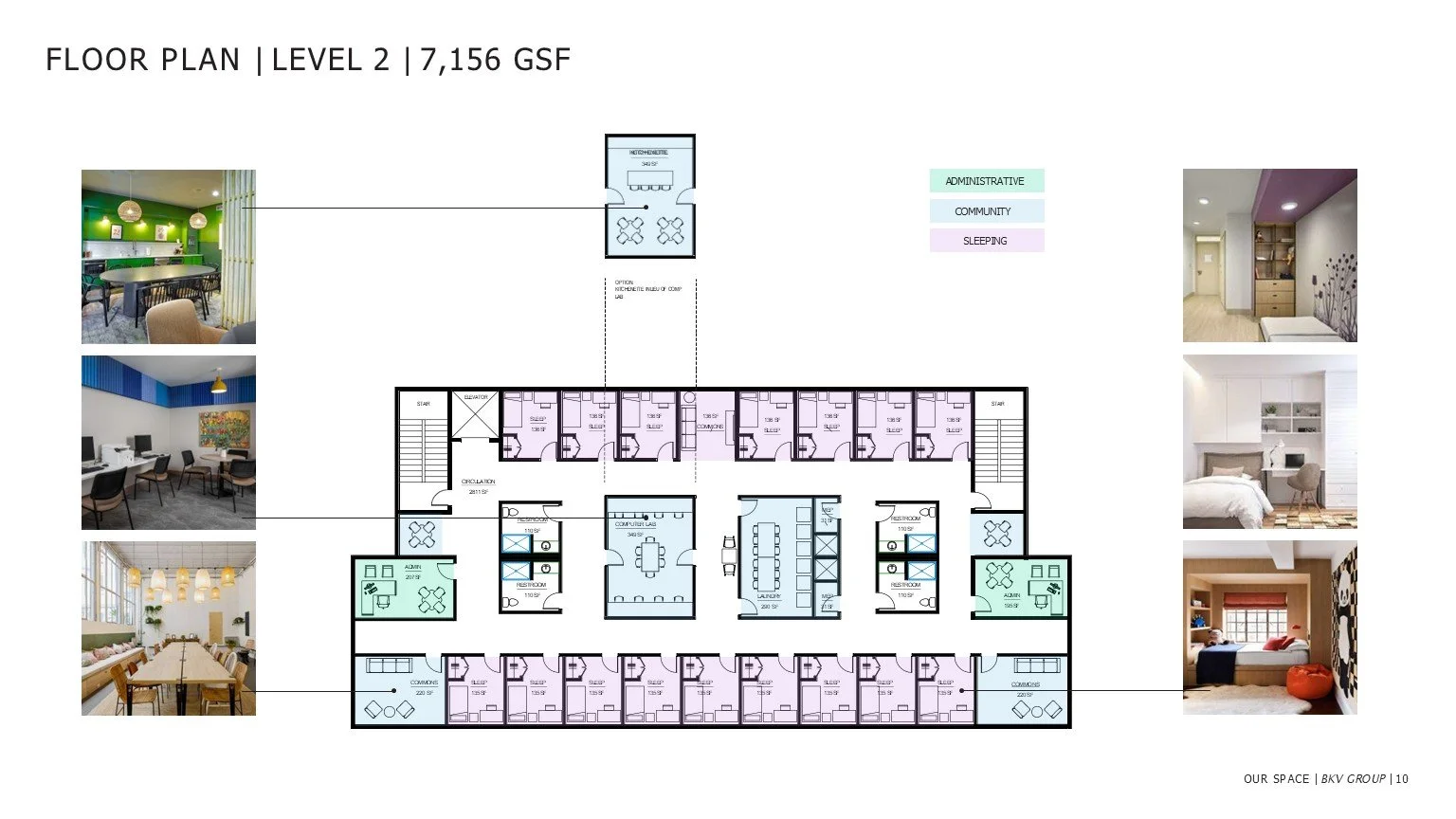
● Providing on-site health and other support services ● Privacy in sleeping areas ● Dedicated dining areas and kitchenette ● Avoid institutional design
● Ensure common areas are welcoming, consider a “cafe” environment ● Neighborhood matters ● Include natural and biophilic elements
● Provide space for local and community art
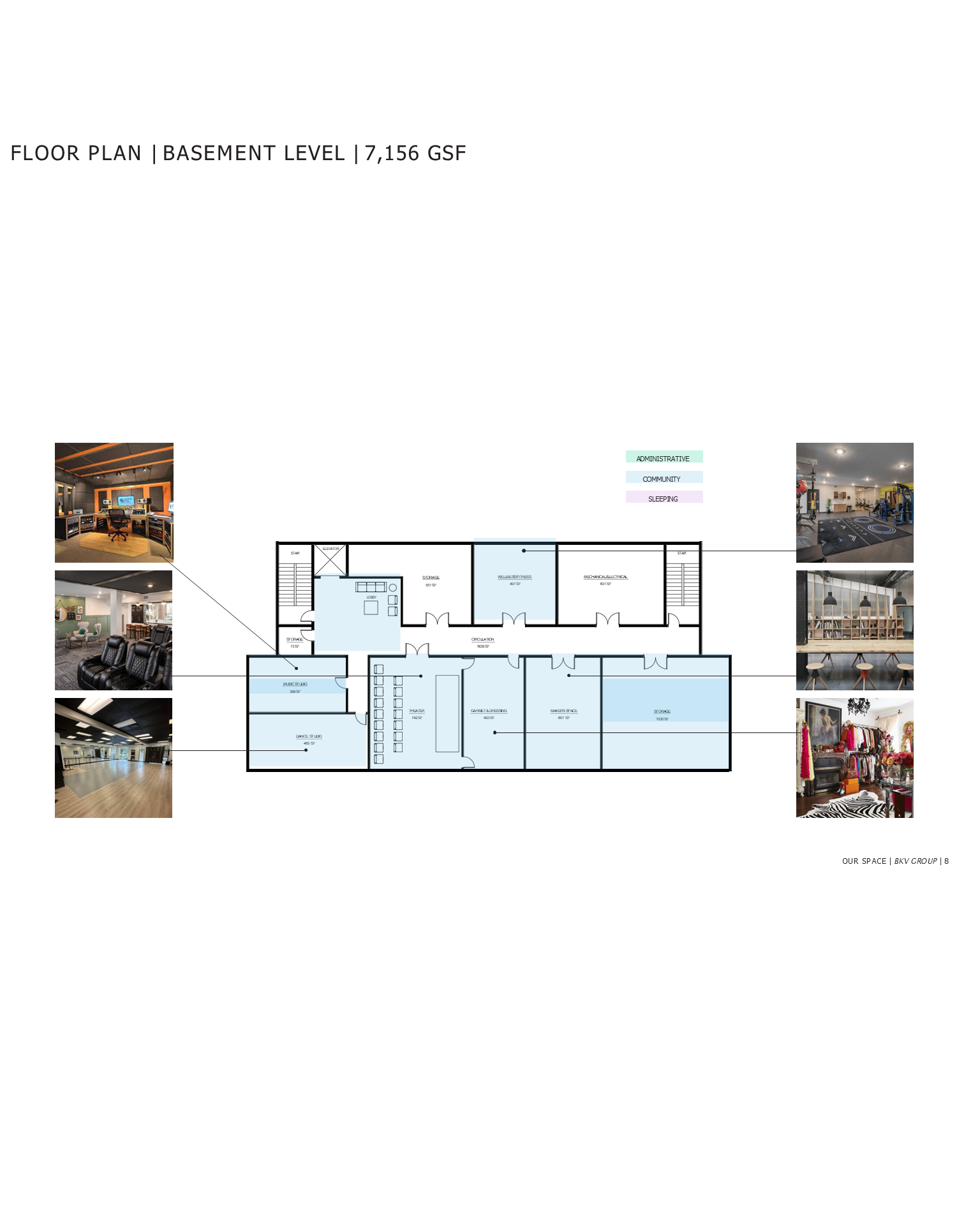
● Include space designated for arts, classrooms, wellness, clothing, laundry, mail, community garden and laundry
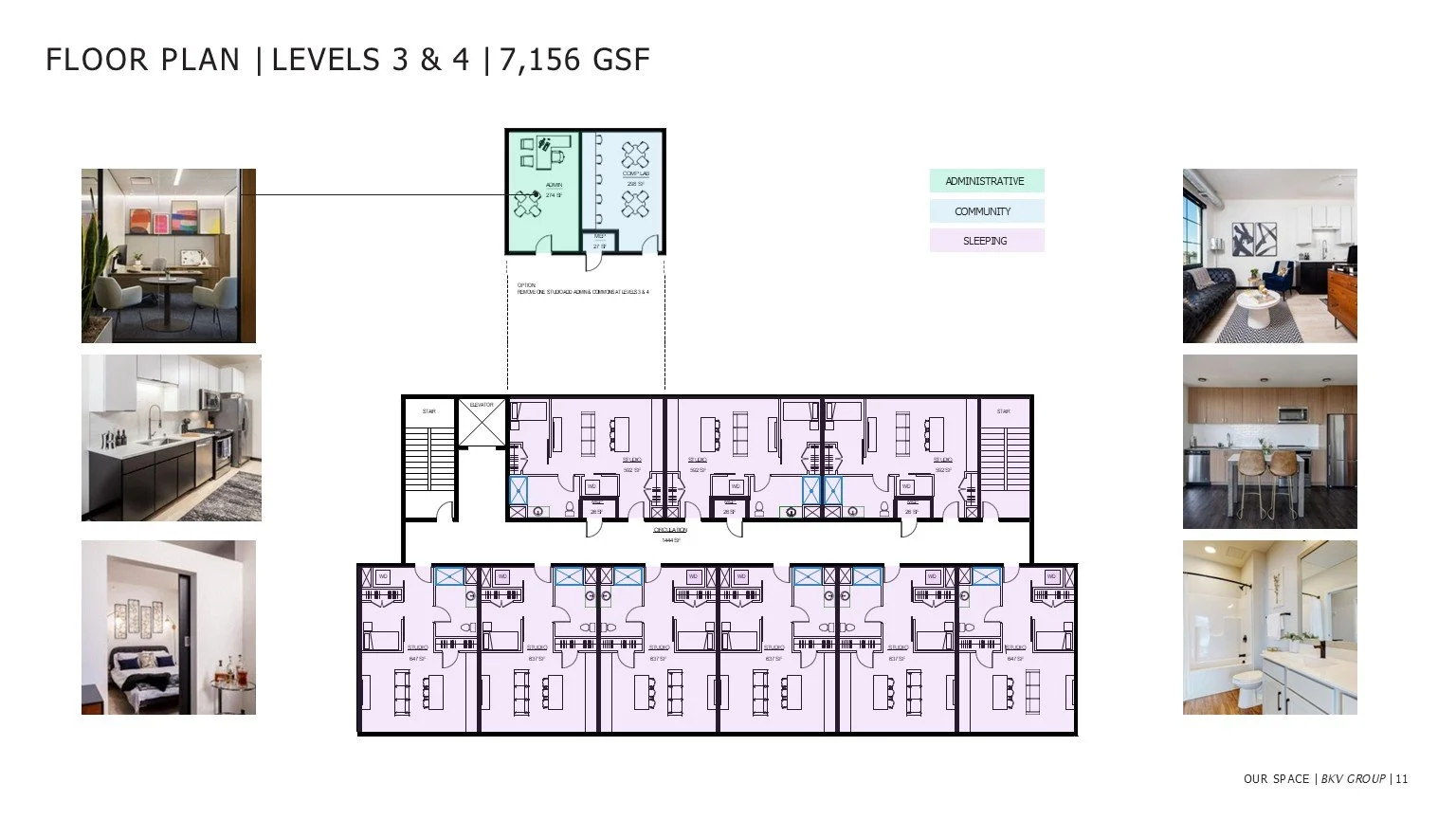
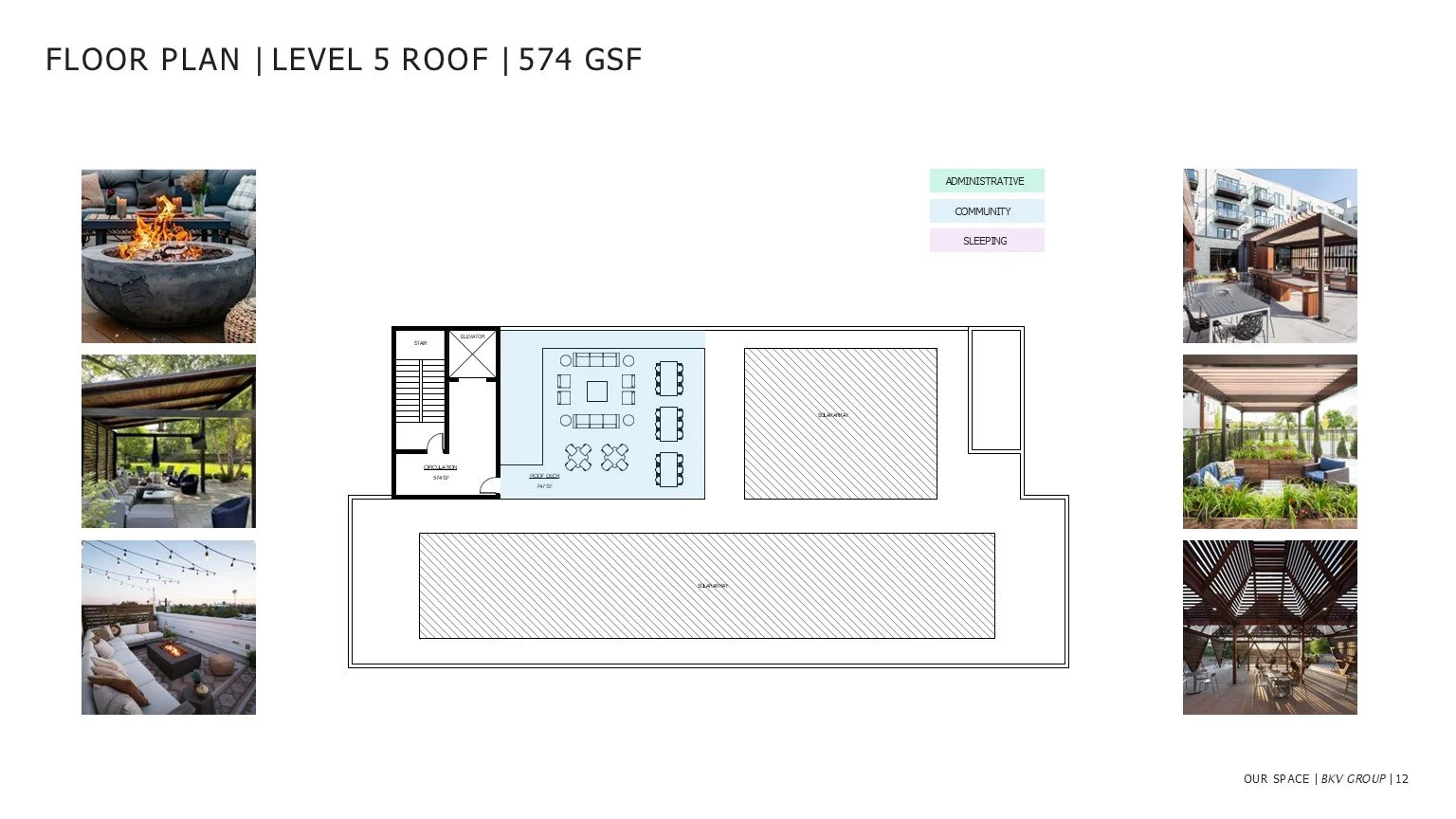
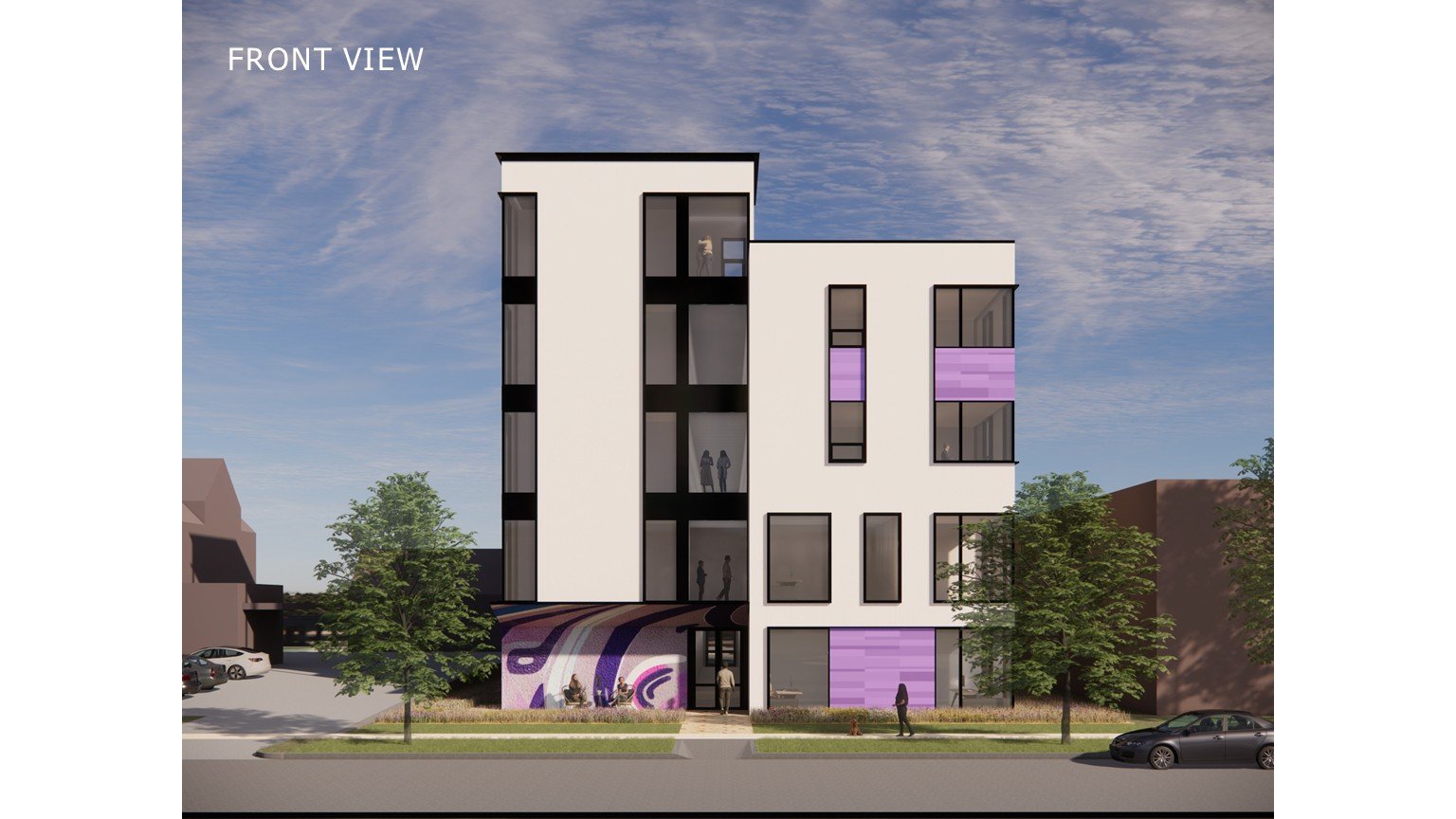
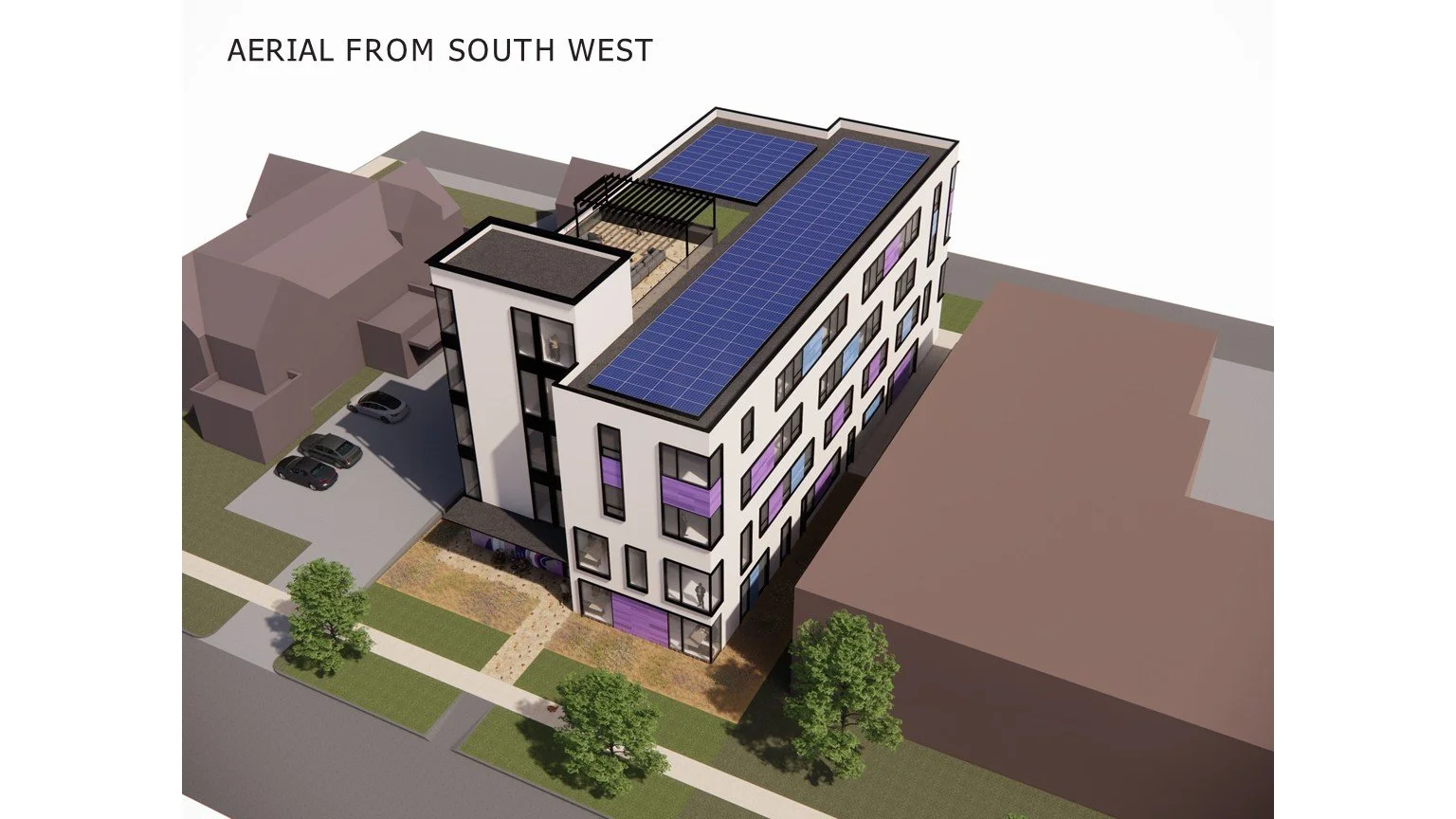
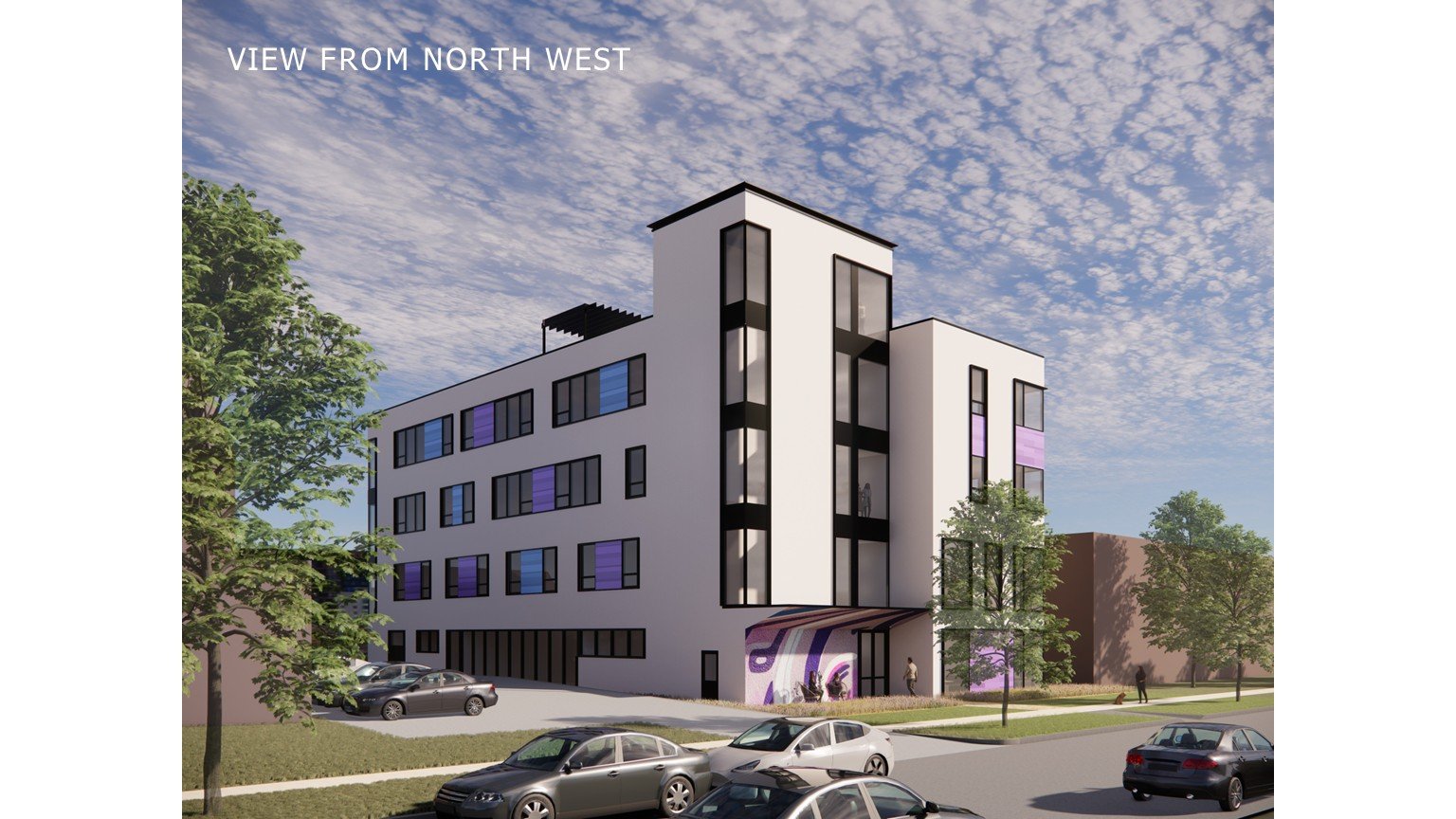
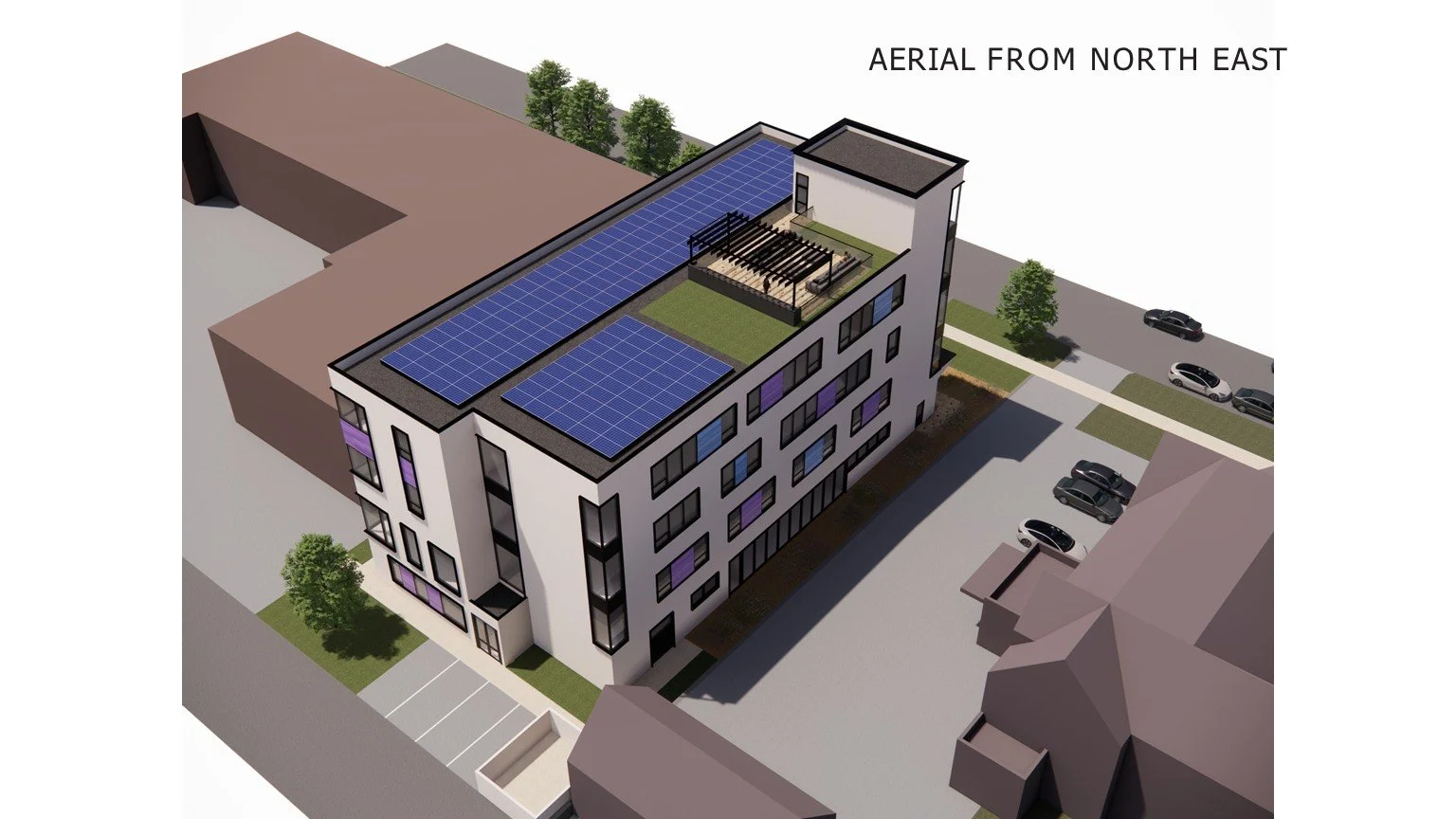
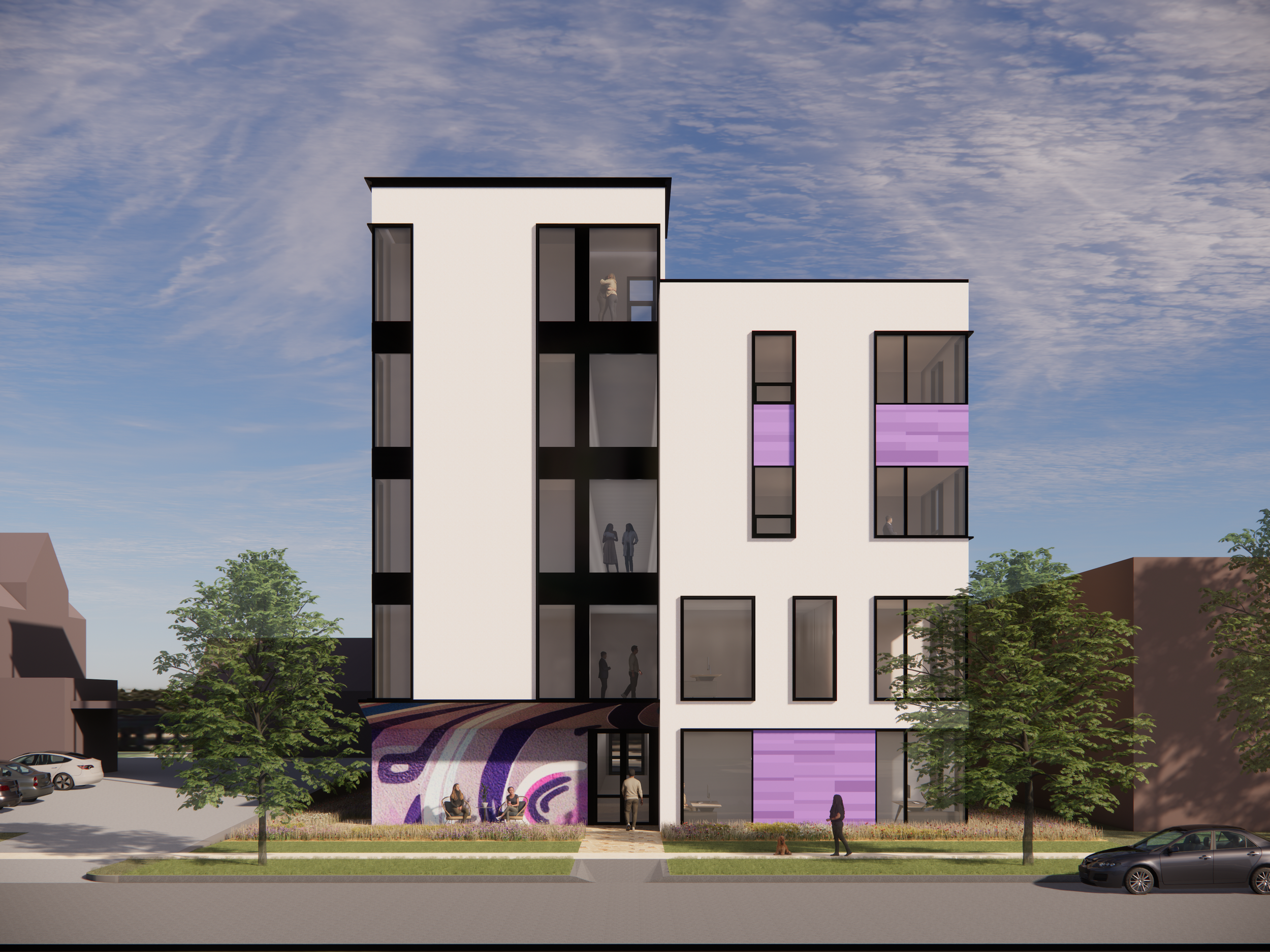
Here are images community members dreamed into this vision.